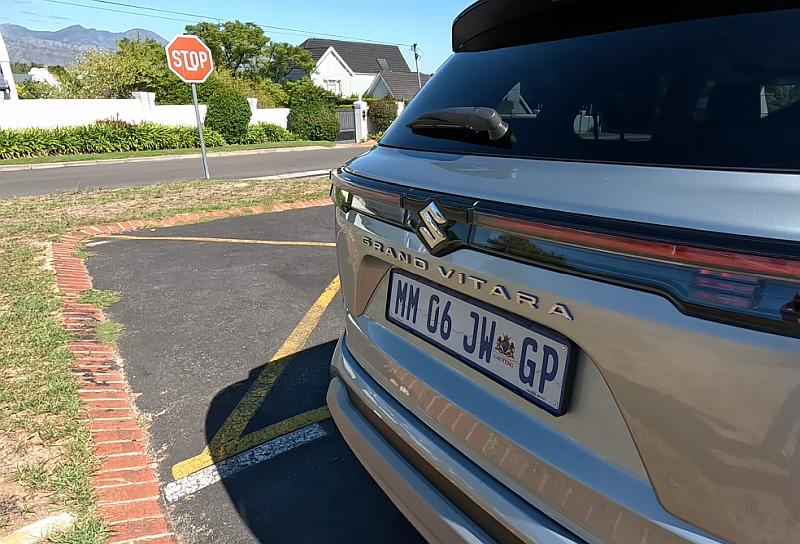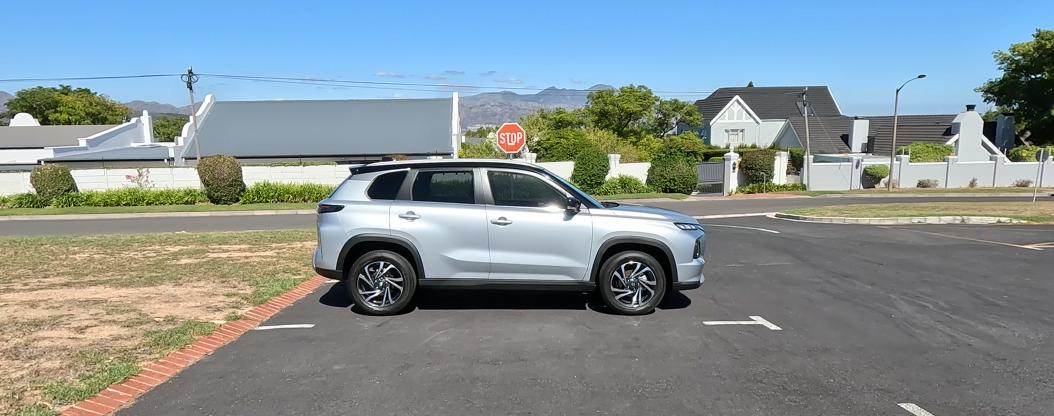
Why did I use “Kind-of” as the heading for this long-term test? Because Suzuki Auto South Africa gave us this silver 1.5 GLX Automatic for exactly one month. Shorter than usual, yet long enough to test its merits…

Right, let’s get the number one burning question out of the way. Depending on spec level, a brand-new Grand Vitara will set you back anything between 360k and 454k. The no-nonsense 1.5 GL Manual currently retails for R359,900 while its automatic derivate is R381,900. This fancier GLX automatic costs exactly R453,900.
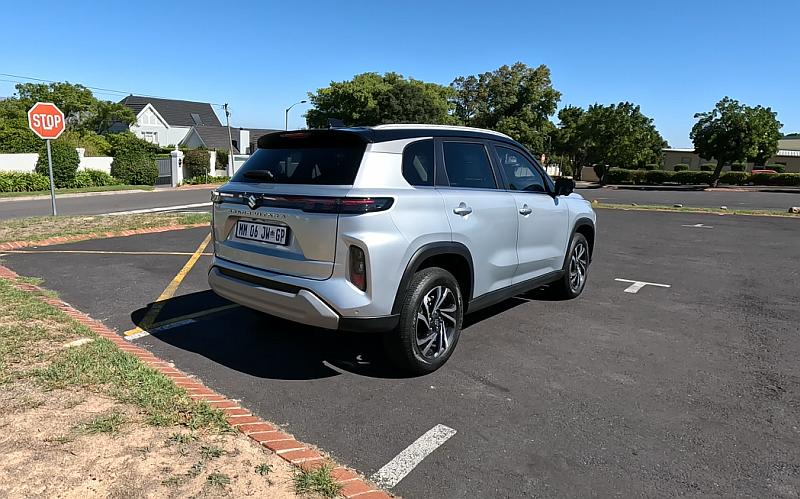
The next concern you most likely have is what happens to your wallet at the fuel station; especially if you’re currently in command of a heavyweight turbo-diesel SUV. Well, this is where those four weeks of driving came in very handy because I can now confirm that this naturally-aspirated petrol engine sips a claimed average of just 6L per 100km from the 45L fuel tank.
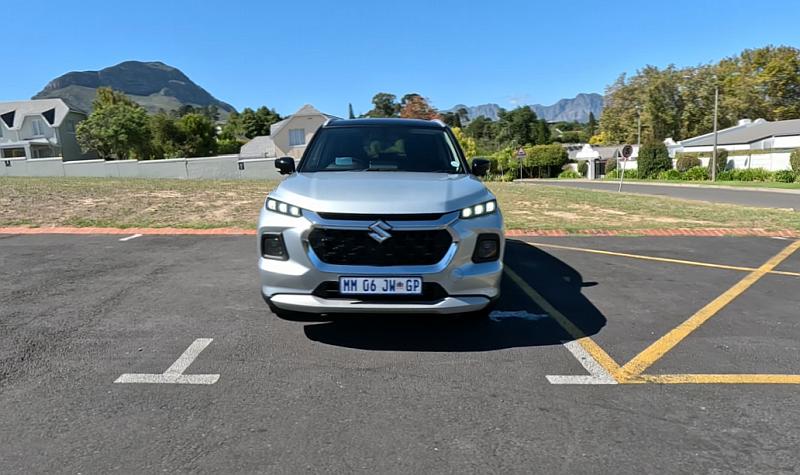
On the undulating hillside streets of our sprawling neighbourhood, the car’s indicated average crept past seven and was steadily heading towards 8L/100km but I hasten to add that the vast gaps between its four automatic gear ratios weren’t doing it any favours; and a leisurely trip on the highway yielded high fives.
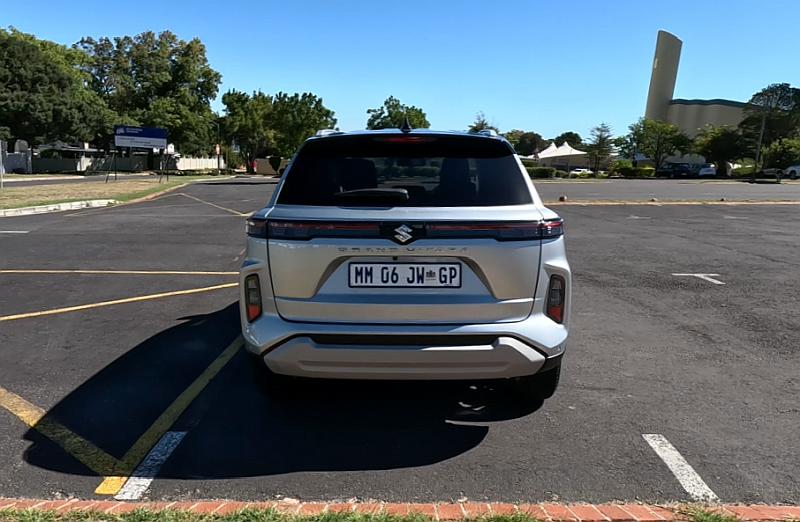
Yup, you read that correctly. Leaving our town on a sunny Sunday morning, we coasted along with traffic on one of the Western Cape’s insanely busy main highway, snaked our way through the Mother City’s main arteries and were deposited at the entrance to the V&A Waterfront with the display showing 5.7L/100km.
It’s also worth noting that we weren’t trying very hard to achieve this. The climate control (and air conditioning) was on, we didn’t slip-stream trucks, tape off panel gaps, lift our feet uphill or try other hyper-miling tricks. Nope, just a small family cruising on the highway in a fairly luxurious 1,170kg Japanese crossover.
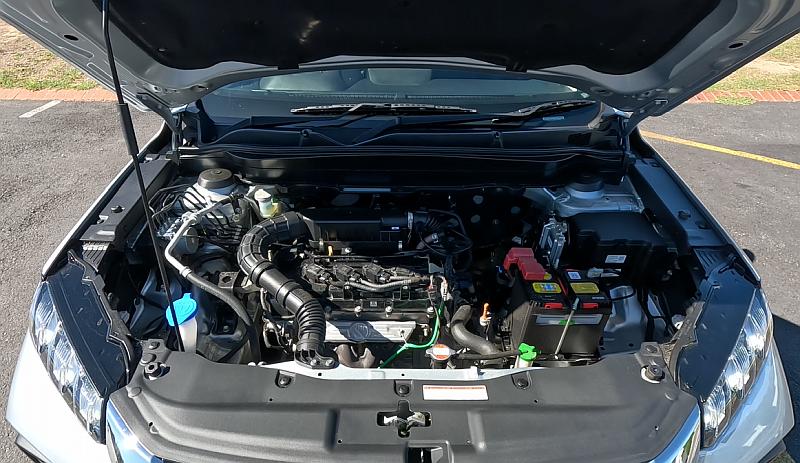
To quickly mention a few more figures, the 1,462cc in-line four-cylinder petrol engine develops a humble 77kW at 6,000rpm and just 138Nm at 4,400rpm. Not only is that torque rpm figure rather high (and the output rather low) in a world full of boosted micro motors, the aforementioned 4-speed box of cogs also hampers progress.
Hand on heart, in daily traffic and normal commuting you won’t have much to worry about, but spirited journeys or fast-paced overtakes are not the Grand Vitara Auto’s strength. We also noted the transmission shifting to second gear fairly quickly, often before the desired momentum had been gained, thereby necessitating a down-shift back to first.
In fact, a quick glance at our performance test video on Youtube reveals indicated shift points of about 65km/h, 110km/h, and umm, somewhere beyond 160km/h. Where fourth gear theoretically tops out is anyone’s guess. This was obviously done for fuel consumption and easier (or quieter) cruising capabilities but it’s that second-to-third shift at 110 that’ll make overtakes from 100km/h a bit hair-raising…
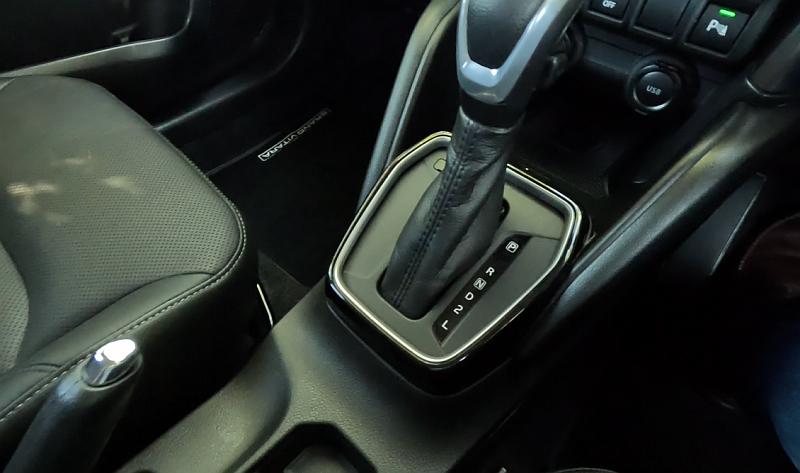
The traditional gear lever has positions for 2 (second) and L (low, or first) which won’t be much help at three-figure speeds but can aid any speedy getaways in a suburban environment. Should all of this be a real concern for you, I highly recommend that you take the manual version for a test-drive, although that has the shortfall of not being sold in this top-tier GLX trim.
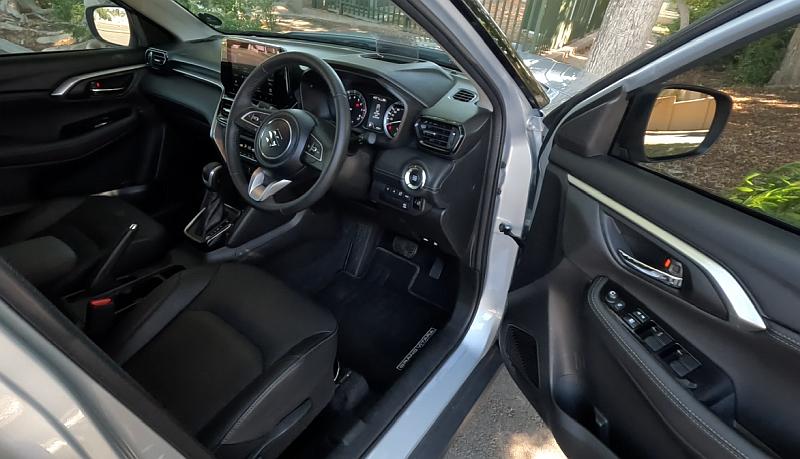
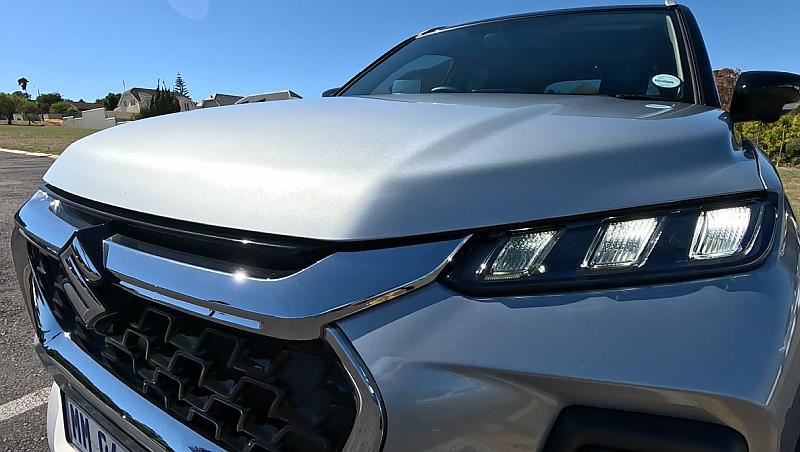
If you really need the pleather seats, wireless charger, sunroof, cool head-up display and other goodies is, of course, completely up to you. If budget was my main concern, I wouldn’t mind. Also because every Grand Vitara model gets alloy wheels, power and keyless goodies, climate control, plus LED headlights with daytime running gear.
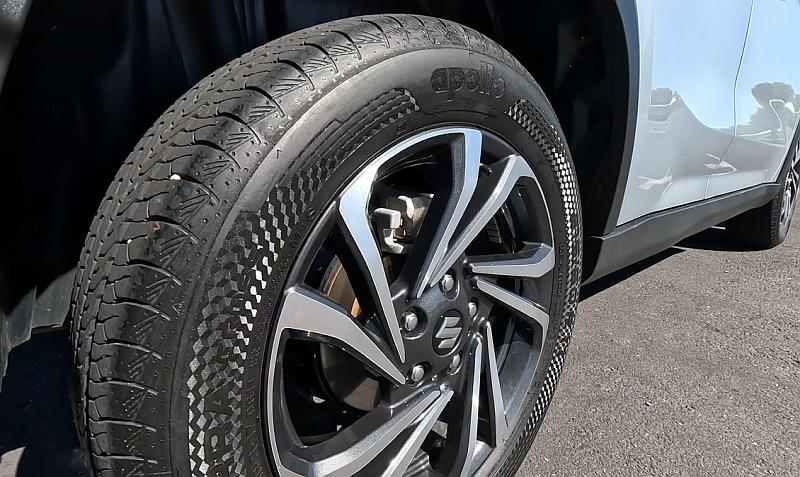
Flat-out performance also showcases the drive train’s pedestrian pace, with our best 0-100km/h figure clocking in at 12.67 seconds; about the same stride as a 1.9L Isuzu D-Max or 1L turbo-petrol VW Caddy. A full-bore emergency stop was completed in just 2.88 seconds and 41.74m. For the record, this silver press car was shod with 215/60R17 apollo Apterra Cross tyres all around.
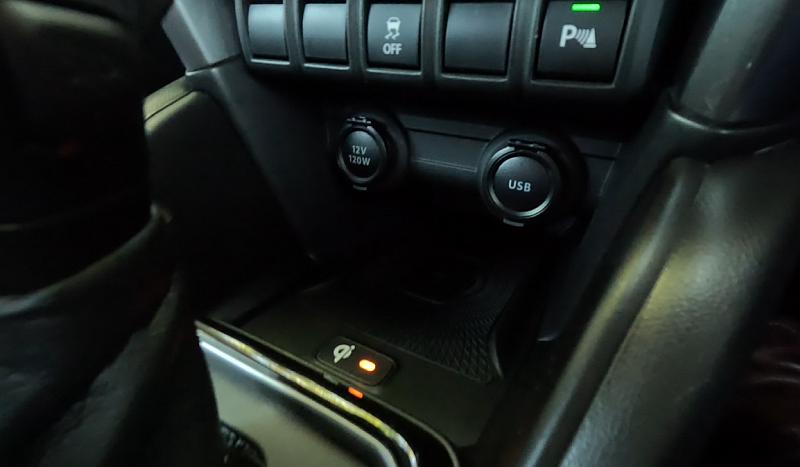
My notes speak of many random items which may randomly be important to random buyers. Bear with me here. The rear passengers each get a rim-lit USB-C port, while the front occupants get the regular choice between covered USB and 12V / cigar lighter sockets. Every door pocket has space for a large water bottle.
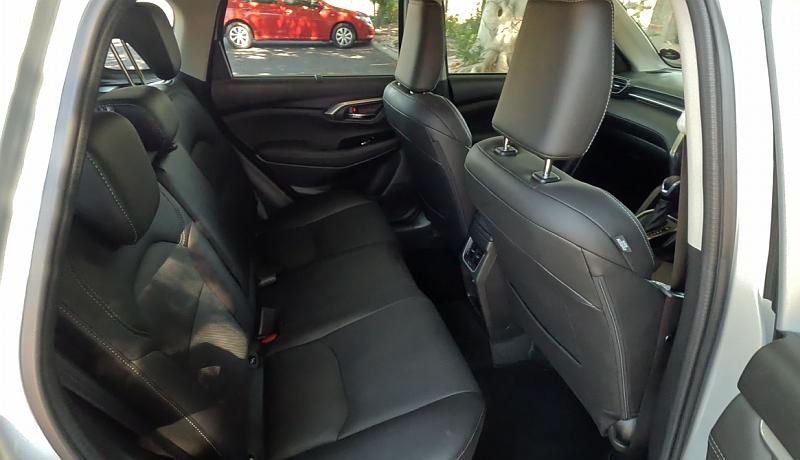
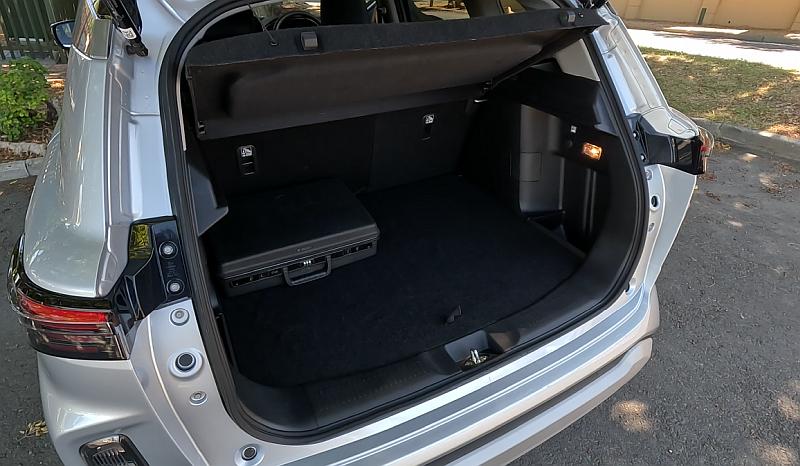
The rear seats fold fairly flat in a 60:40 split with easily accessible latches on the top outer edges, and neither of the side seat belts get tangled when the seatback is moved. Under the boot floor (which Suzuki claims can hold from 310 to about 1,150L) you’ll find a full-size spare wheel; albeit with a black steel rim.

The head-up display uses a retracting piece of transparent Perspex to display information, but only if you’re not wearing polarized sunglasses. In all fairness, that goes for every HUD we’ve come across so far. The height and brightness is easily adjusted by a physical row of buttons near the driver’s right knee.

I also discovered later that it briefly shows any alterations to the climate control fan speed. The driver information screen in the instrument cluster looks a bit basic but has a decent amount of menus. And despite its tachometer being red-lined at 6,300rpm, we never saw anything above six grand during full throttle salvos.

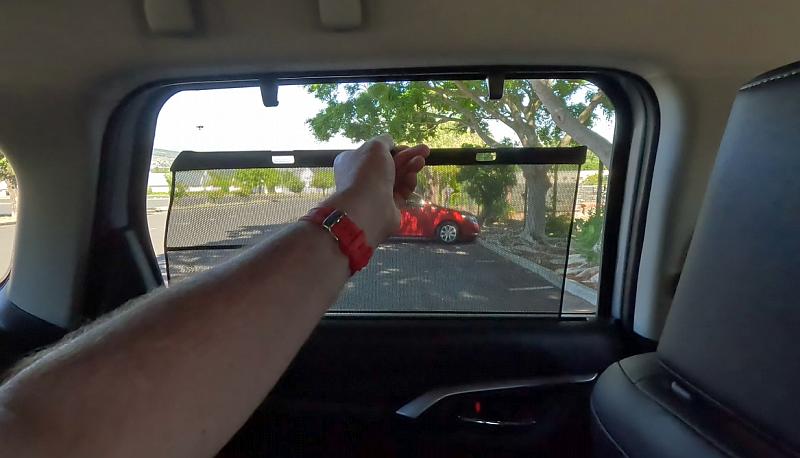
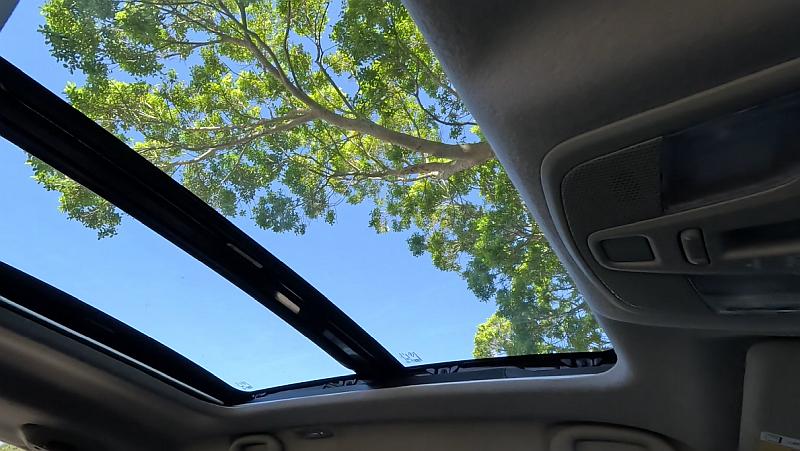
The speedometer has a faint hexagonal pattern which shimmered in direct sunlight, and the two smaller analogue read-outs – fuel level and coolant temperature – are a bit, umm, tiny? One of our rear passengers loved the side windows’ retractable sun visors, while another delighted in the big glass sunroof; half of which can be tilted or opened.
Perhaps in an effort to save costs, the transversely-mounted motor does not have a plastic vanity cover. With quite a bit of space around it, plus a distinct lack of turbos or dual-clutch robotics, that also means it should be a breath of fresh air to any future mechanic or maintenance specialist, also of the homebound DIY variety.
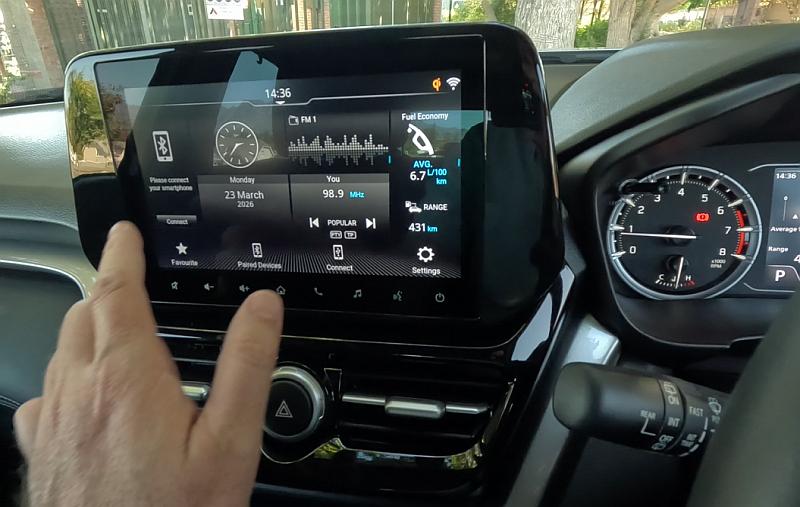
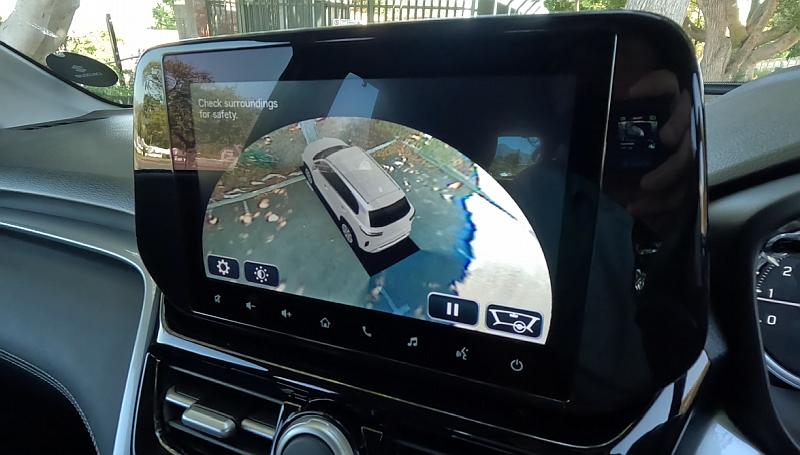
The steering is a bit light, but not much more than other vehicles of this ilk. The remote start and remote access feature is quite handy but it’s nice to know that there’s still a pair of buttons on the key fob. The sound system is acceptable, while the screen is small and basic with touch-controlled volume adjustment. We prefer a volume knob.
The engine sounds a bit tinny (or hollow) but that’s probably because we’re all used to muffled turbo torque motors. The LED headlights are most commendable and the car’s squared-off design found overall approval from our team. It would actually be quite distinctive, were it not for that Toyota facsimile.
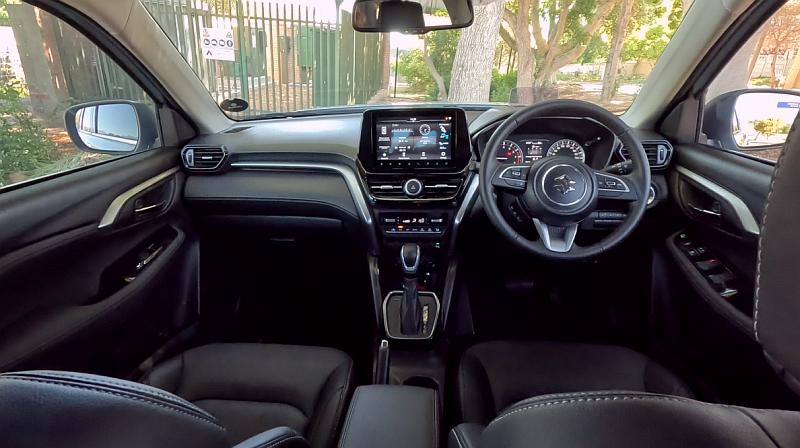
So. Did we enjoy our time with the grandest slush-o-matic Grand Vitara? Absolutely. It easily blends into daily Saffa life and zipped to gymnastics practice and commercial property meetings with equal aplomb. It’s also good value at the price point and could be the safe choice for someone wanting a new crossover but is cautious of new Asian brands.
For any further questions or concerns you may have, I strongly recommend you visit your nearest Suzuki dealership for an extended test-drive of the Grand Vitara. Each new model is sold with a 5-year/200,000km warranty and a 4-year/60,000km service plan.