

Great news, everyone. In what we initially thought was a mistake, Hyundai S.A.’s press fleet gave us two Tucson press vehicles in quick succession. They may have looked similar (ish) but there were some crucial differences…
Petrol or Diesel
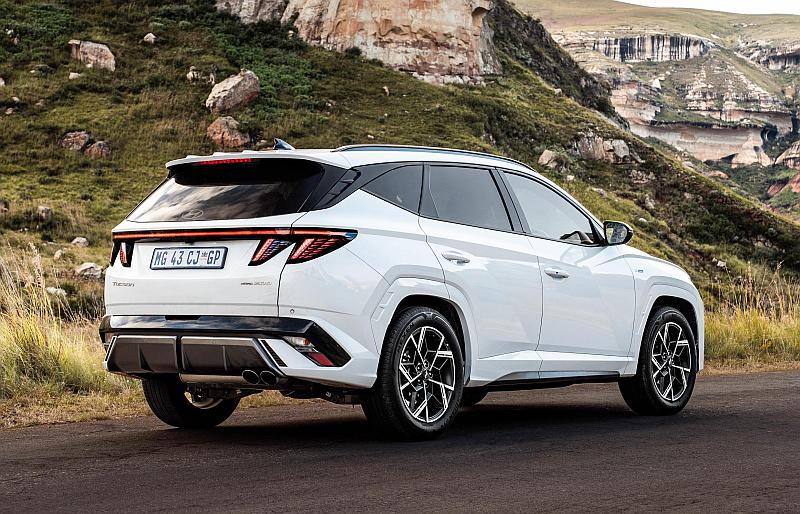
OK, to quickly run you through the Hyundai South(ern) Africa line-up for this refreshed NX4 4th-generation Tucson range, they offer three distinct models: a 2L naturally-aspirated petrol Premium model with a 6-speed automatic and front-wheel drive, plus two 2L turbo-diesels in this Executive trim or the sportier N-Line derivative.

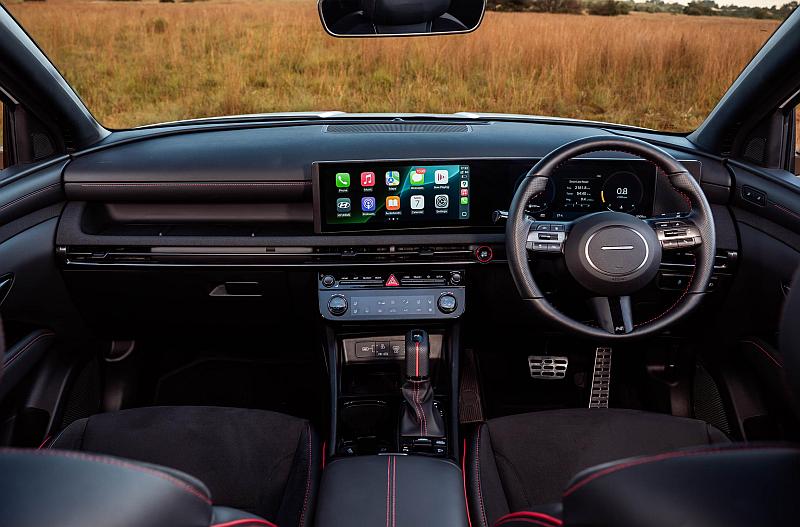
Crucially, all Exec models have front-wheel drive while every range-topping Tucson N-Line is shipped with all-wheel drive. And fancy shmancy goodies like a full sunroof, suede leather inserts with red stitching, blacked out chrome and half a dozen active driver aids. Honestly, I could do without the last two features.
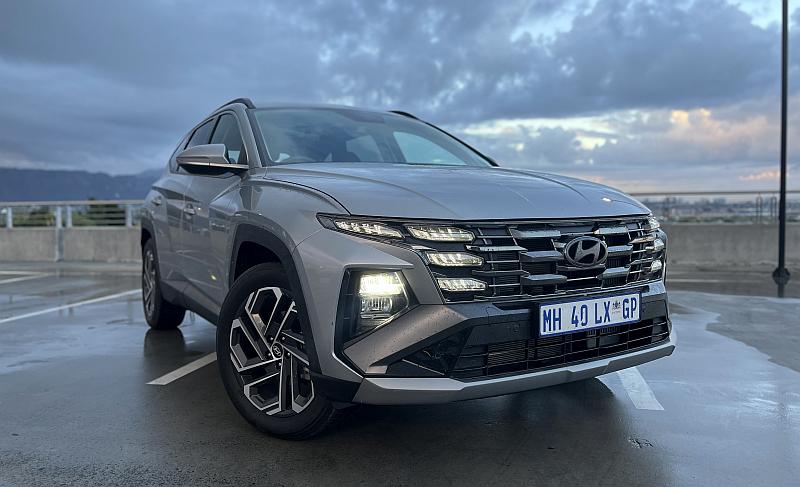
Exec vs. N-Line
That is where this middle-child Tucson Executive suddenly starts to make a lot of sense. It’s not quite as aggressive in its design details but the overall, modern, and hyper-cool Tucson shape is still there. You also get all the media goodies, airbags and safety features, LED lights and big 19-inch alloys; over the Premium’s 18-inch hardware.
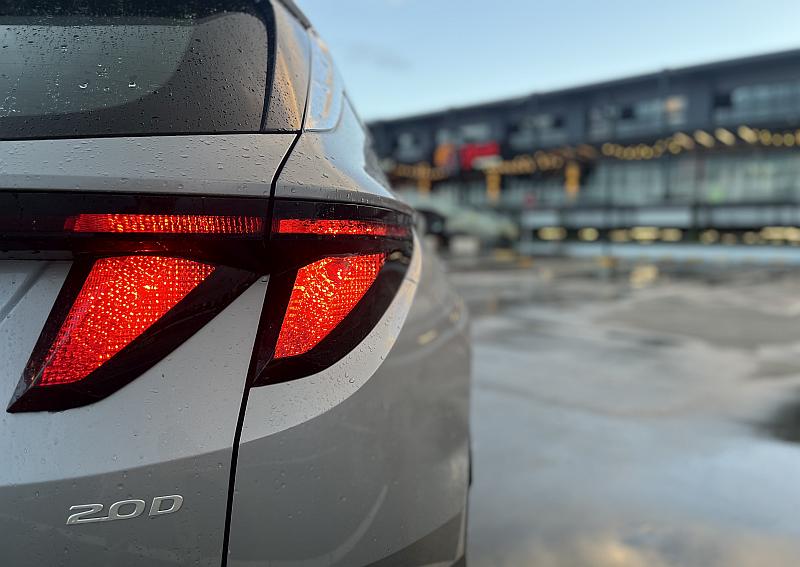
Most importantly though, you still get that engine. The one everyone wants. The sturdy 2.0D turbo-diesel Hyundai 4-cylinder. Power and torque figures are identical in both models – at 137kW and 416Nm – and they share a fairly smooth and quick 8-speed automatic gearbox.
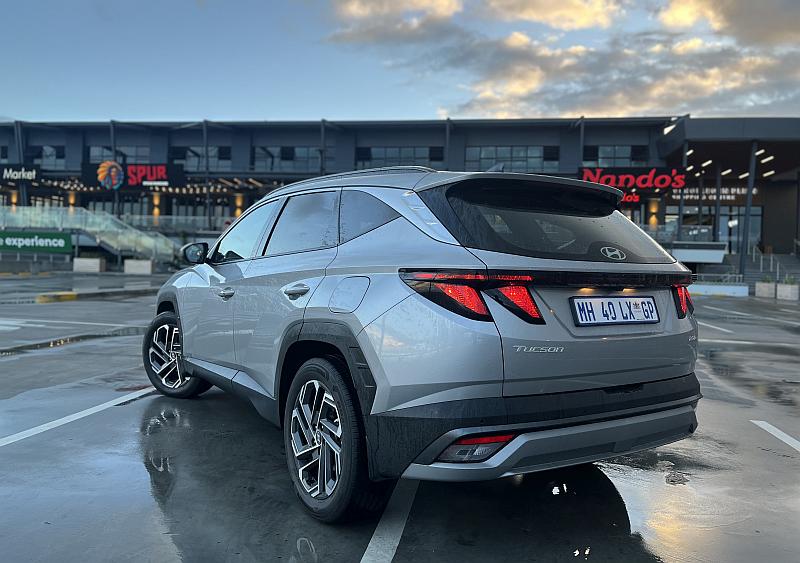
FWD vs AWD
Let’s be honest here, most of us don’t use our SUV’s for more than a bit of light off-roading at times, so having a 66% split of front-wheel driven vehicles within a new car range makes perfect sense. In fact, I would go so far as to claim that having the mild off-roading abilities of the top-dog N-Line Tucson might be a bit O.T.T.
Why? Because an off-road (biased) vehicle should not have sporty trinkets. Quite the opposite, actually, you want thinner bumpers, higher ground clearance and fatter tyre side walls to aid any progress you had planned beyond our city’s tarmac. With that type of thinking, the entry-level Premium petrol derivative would be a better 4WD candidate.
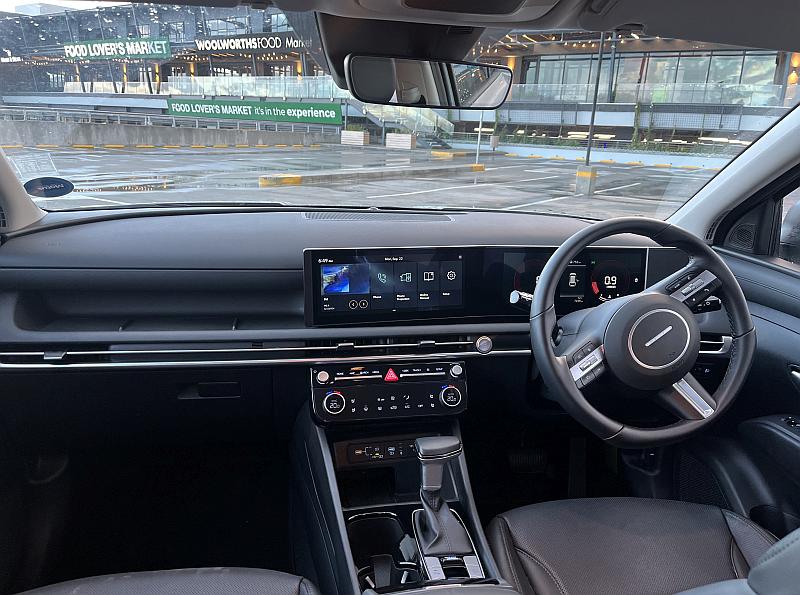
However, I’m not going to wear regional (or irrational) blinkers because these vehicles are manufactured overseas for multiple markets, and having all-wheel drive in the most expensive and sporty model might be exactly what the Scandi or Canadian markets demand; especially for the icier parts of their lifestyle.
Specs vs Pricing
Here’s where it gets even trickier. Considering the following price table, I would wholeheartedly suggest that any average buyer stick to the first two models, leaning strongly towards the middle one. Because a premium of around R140,000 seems wasteful just to get cooler bumpers, clever driving aids and a glass roof.
| 2.0 Premium | R 559,900 |
| 2.0D Executive | R 709,900 |
| 2.0D N-Line AWD | R 859,900 |
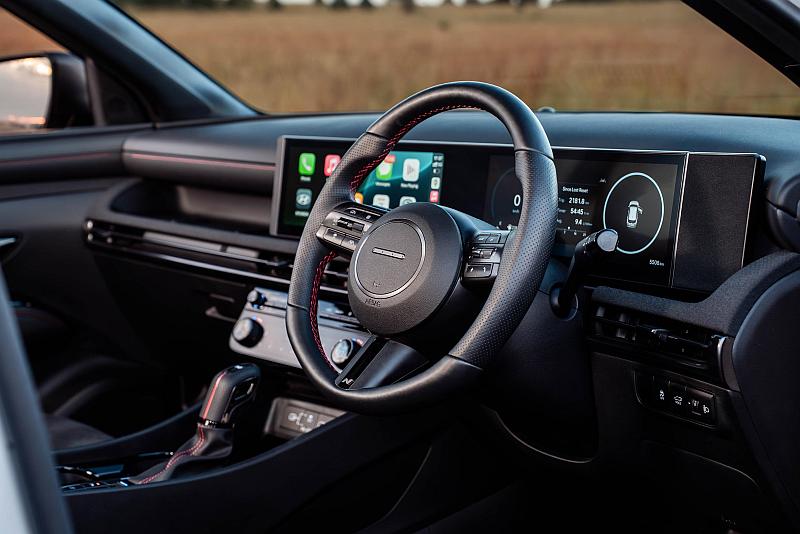
Better yet, save yourself a whopping 300 grand and just get the slower but simpler 2L petrol Premium model, whose excellent price point actually has a fighting chance against the ever-increasing armada of invaders from the Far East. High altitude use may be tedious but I implore coastal residents to certainly test-drive one!
At the risk of repeating myself, and having driven both 2.0D models, I’m now firmly in favour of the excellent middle child. However, to those who demand modern innovation and superior spec levels in their vehicles, the 2.0D N-Line AWD is an absolute winner. It’s also worth keeping in mind that Hyundai’s specs are fairly rigid, so you can’t retrofit the roof or driver aids.
Driving vs Efficiency
Distinguishing between the two turbo-diesel models from behind the wheel is going to be fairly tricky; or involve a high degree of assumption. Yeah, maybe the ride or steering feels a bit sharper in the N-Line but never on a level where your eyes light up and you yell “this one is much better!”
The same goes for its efficiency in terms of fuel or cabin usage. Both 2.0D Tucsons helped themselves to 10+ L/100km in slow urban traffic but rapidly nose-dived towards the sevens when their chiselled noses were pointed at a pin-straight highway. For the record, Hyundai claims 7.4L/100km from the 54L tank.
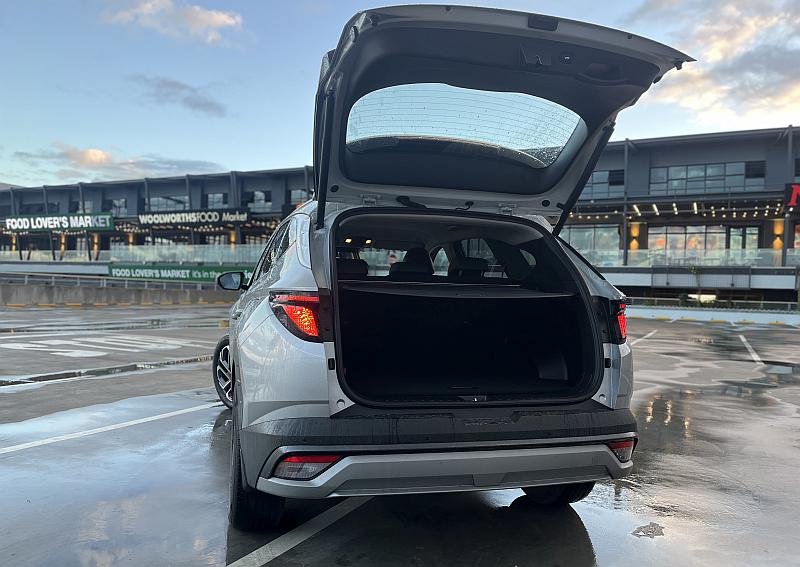
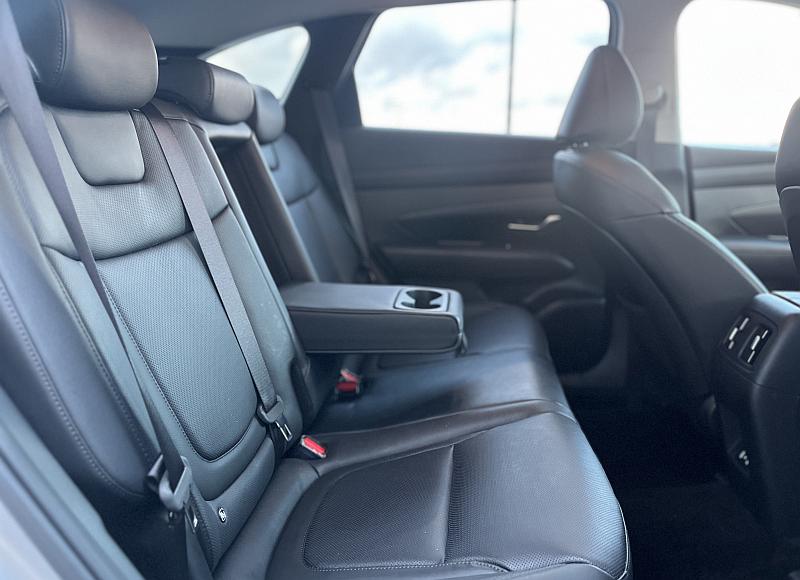
All Tucson share a big cargo area of around 540L, extendable to 1,860L if you flatten the rear seat backs. Ground clearance is around 180mm, the turning radius is just shy of 12m and they can tow almost 2 tons; while the petrol is good for 1.6 of braked haulage. Kerb weights are 1.5, 1.6 and 1.68 tons respectively.
Conclusion
Yes, that petrol entry-level model is well priced and gets you into a great car albeit at the cost of speed and average fuel consumption. But, and I’m not even sorry for stating this, at a six-figure discount towards its turbo-diesel brethren, I would completely ignore any fuel concerns. Plus, there’s no turbo to refurbish in 10 years’ time.
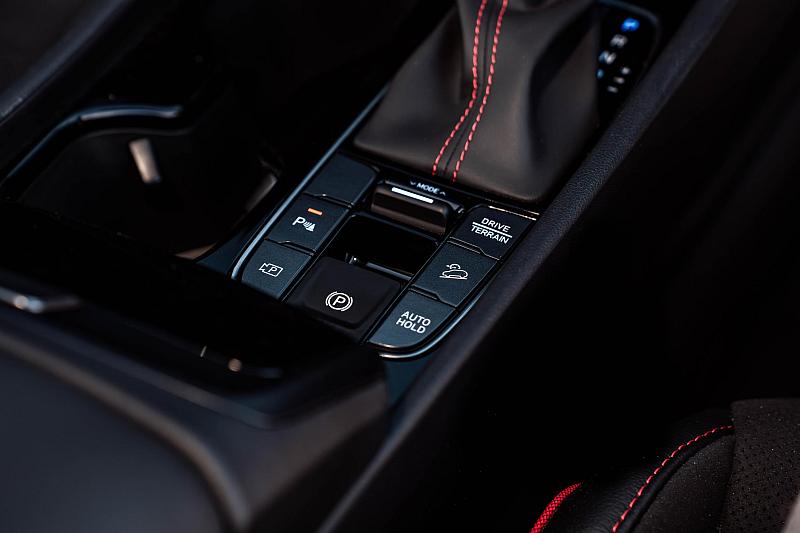
Ahh, what can I type about the snazzy 2.0D N-Line AWD that hasn’t been said before? It’s got the most street cred, the sportiest look, highest amount of driven wheels, and brags with every single box ticked on the spec sheet. It’s the daddy Tucson and, if you can stretch for one, is an absolute pleasure to pilot.
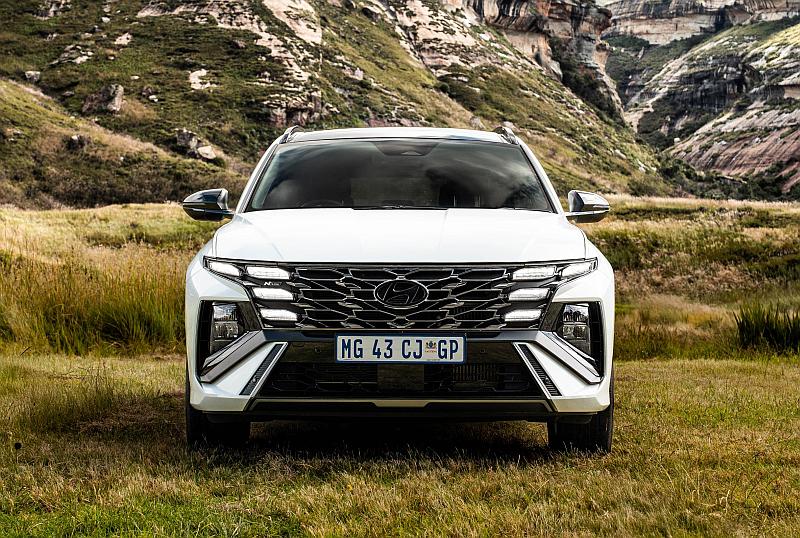
The Hyundai Tucson 2.0D Executive, as tested here, is my firm favourite and strong recommendation in the local line-up. It has all the features I would want from the range topper, leaves out the tedious and annoying stuff, plus it puts 140k back into your pocket. If only I could get it with a sunroof…
