The 9th-Generation Toyota Hilux: Has the ‘Kannie-Dood’ Legend Finally Gone Soft, or Just Gotten Smarter?
Namibia is arguably the ultimate proving ground for any bakkie. With our vast stretches of corrugated gravel, demanding agricultural sectors, and sprawling distances between towns, a vehicle here needs to be more than just transport; it must be an absolute “kannie-dood” workhorse. For decades, the Toyota Hilux has been the default answer to this brief, leaning heavily on a reputation built entirely around uncompromising reliability.
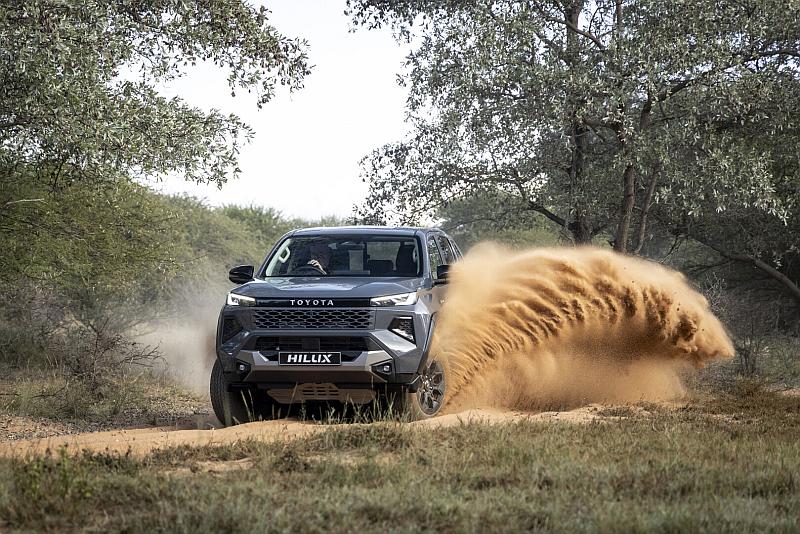
However, the local bakkie landscape is shifting. Competitors are rapidly introducing vehicles that feel more like luxury SUVs with load bays, directly challenging Toyota’s utilitarian stronghold. With the recent launch of the all-new 9th-generation Hilux, we headed out into the Namibian dust to see if Toyota has managed to hit the sweet spot between a rugged agricultural tool and a daily luxury commuter.
The Powertrain: Proven Mechanicals meet Mild-Hybrid Tech
Under the bonnet, Toyota has wisely adhered to the “if it ain’t broke, don’t fix it” philosophy. The core of the range is powered by the heavily proven 2.8GD-6 turbodiesel engine, mated to a slick 6-speed automatic transmission. It pushes out a familiar 150 kW (at 3,000 – 3,400 r/min) and 500 Nm of torque (between 1,600 and 2,800 r/min).
The headline news, however, is the introduction of a 48V lithium-ion mild-hybrid (MHEV) system, exclusive to the flagship Legend models. Adding 12 kWe and 65 Nme of electrical assistance, the system is designed to smooth out power delivery and take the edge off urban fuel consumption. While the on-paper efficiency gains are marginal—a claimed 7.5 L/100km for the Legend versus 7.6 L/100km for the standard ICE models—the difference in low-speed drivability and pull-away refinement is notable.
The Line-up:
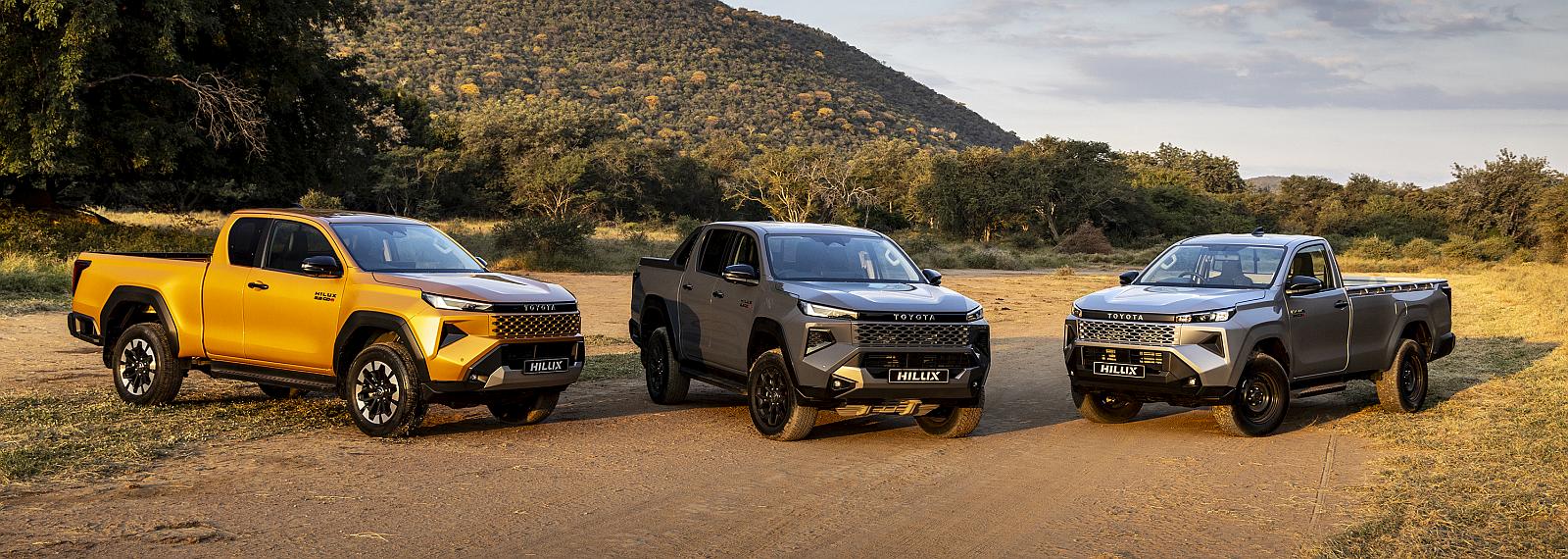
This is where the 9th-generation really draws its battle lines. Rather than offering a one-size-fits-all solution, Toyota has heavily differentiated the SRX, Raider, and Legend models, ensuring there is a specific tool for every job.
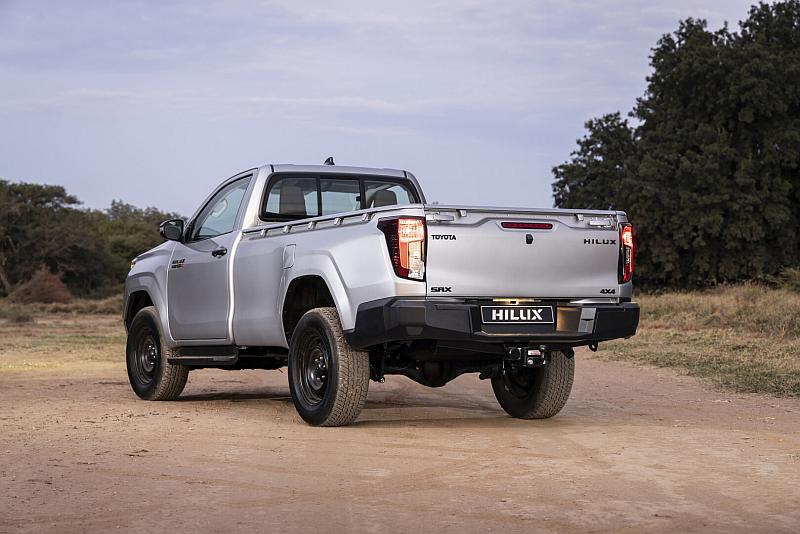
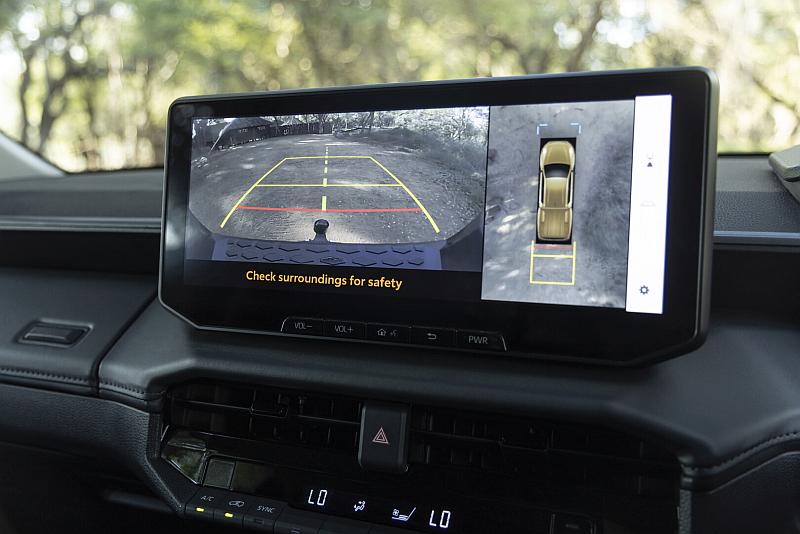
The SRX: The returning SRX badge serves as the entry-point to the double cab range, but it is far from bare-bones. Geared heavily toward off-road and agricultural environments, it crucially retains the traditional hydraulic power steering loved by purists for its heavy-duty durability. It features an analog instrument cluster, an 8-inch infotainment screen, manual air-conditioning, and hard-wearing fabric seats. Practicality is the priority here, equipped with LED headlights, a reverse camera, and four electric windows. It is the quintessential farm bakkie, but modernised.
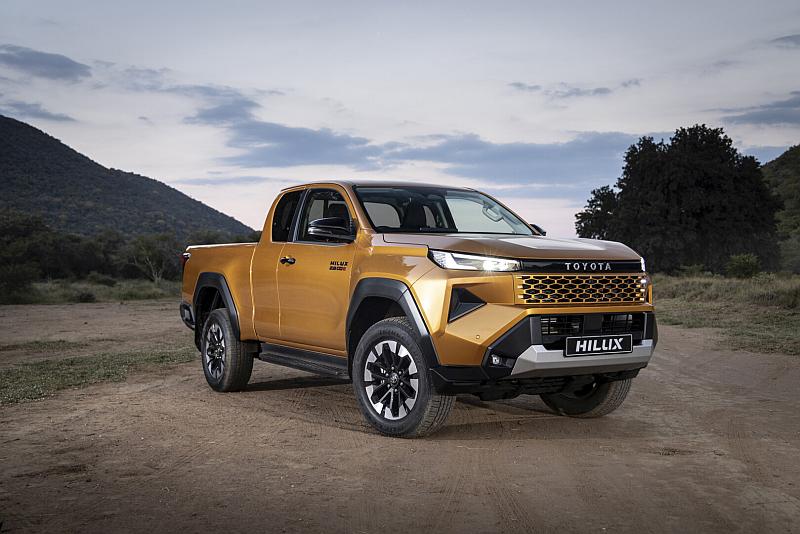
The Raider: The Raider (offered here as an extended cab) brings a balance of work and play. Also retaining the hydraulic steering system, the Raider steps up the aesthetic and technological game with 17-inch alloy wheels, automatic dual-zone climate control, and cruise control. Off-road enthusiasts will appreciate the addition of Downhill Assist Control, Multi-Terrain Select, and tyre pressure monitors, making it an ideal out-the-box companion for serious overlanding routes.
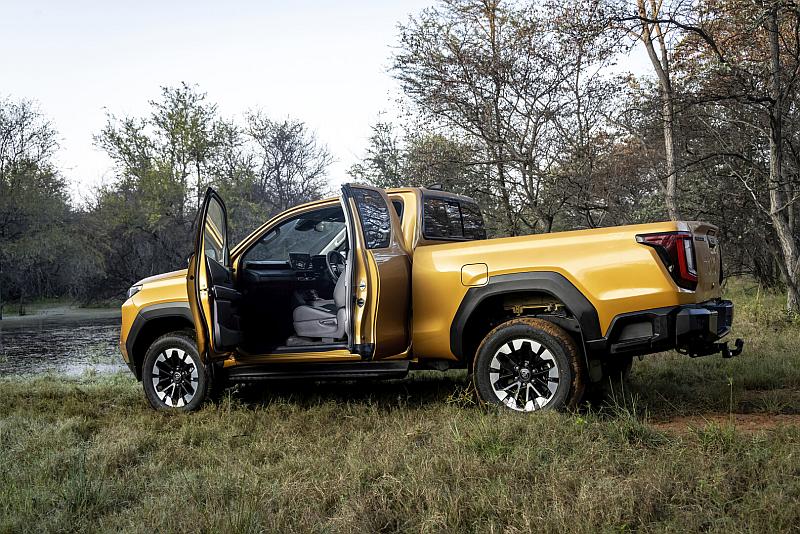
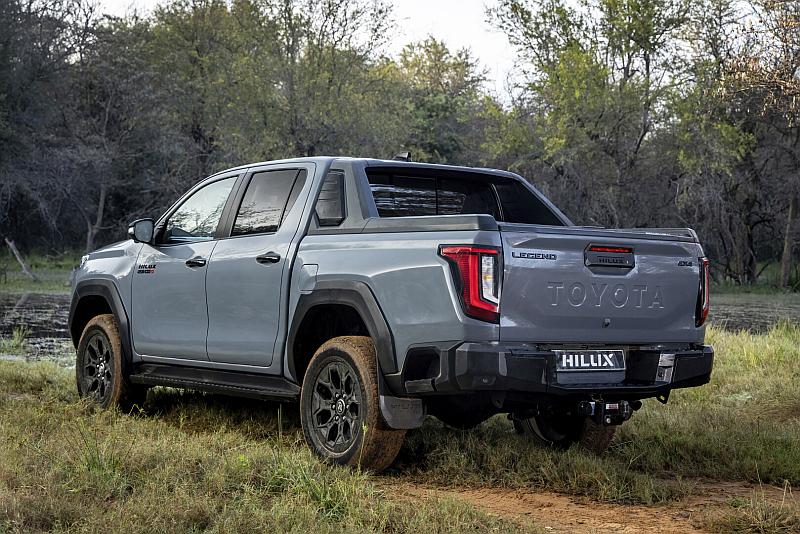
The Legend: The top-tier Legend is where Toyota takes the fight to the luxury leisure segment. Beyond the MHEV powertrain, it is the only model to feature lighter electric power steering and an electric parking brake, making it vastly more manoeuvrable in tight urban settings. Inside, it boasts leather upholstery, a 12.3-inch digital instrument cluster, a 9-speaker JBL audio system, and the comprehensive Toyota Safety Sense suite (including pre-crash detection, lane-keeping, and blind-spot monitoring). Mechanical upgrades include ventilated disc brakes on both the front and rear, replacing the rear drums found on the lower-spec models.
A Cabin Built for the Modern Era
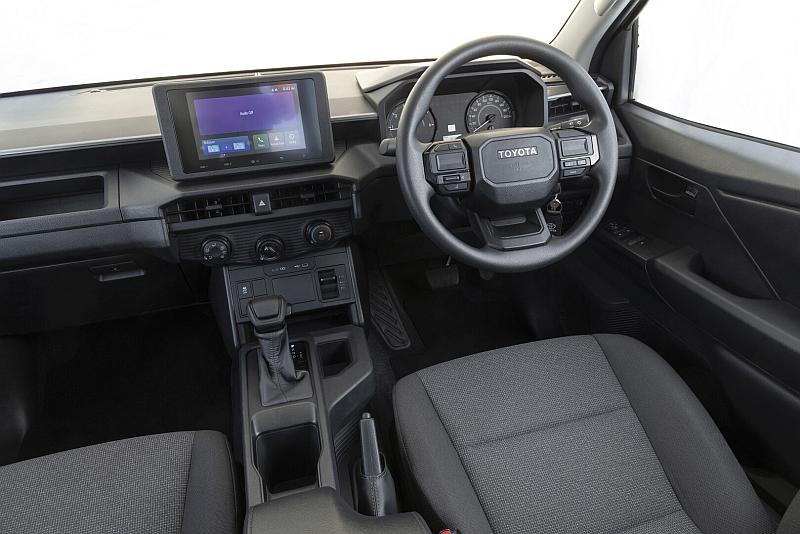
Historically, interior design has not been Toyota’s strongest suit, but the 9th generation brings a comprehensive, Prado-inspired overhaul. The cabin is exceptionally well-insulated, making long stints on unforgiving gravel far more bearable.
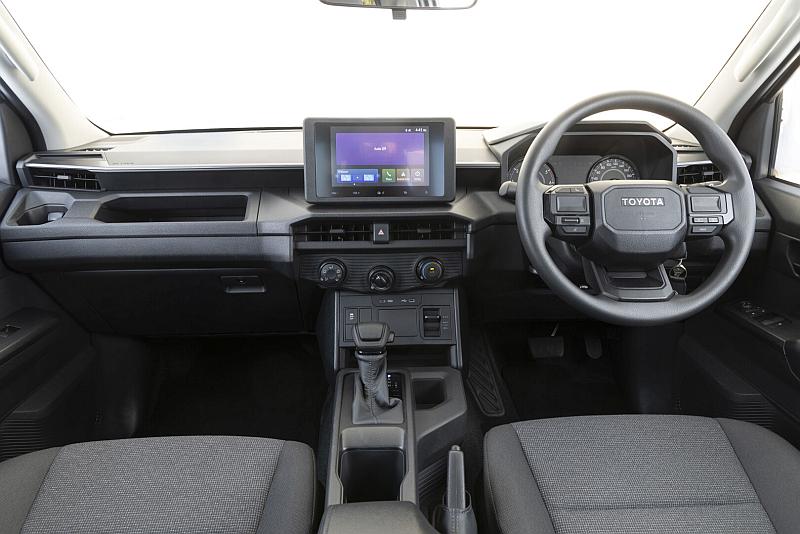
Both the Raider and Legend get the impressive new 12.3-inch infotainment screen featuring wireless Apple CarPlay and Android Auto. Yet, the most relieving aspect of the new interior is what Toyota didn’t change. While competitors are burying basic functions in complicated touchscreens, the Hilux retains chunky, physical buttons for climate control and driving modes (Eco, Normal, Sport). This is a massive win when you are driving over rough terrain or wearing working gloves.
A Bold New Stance
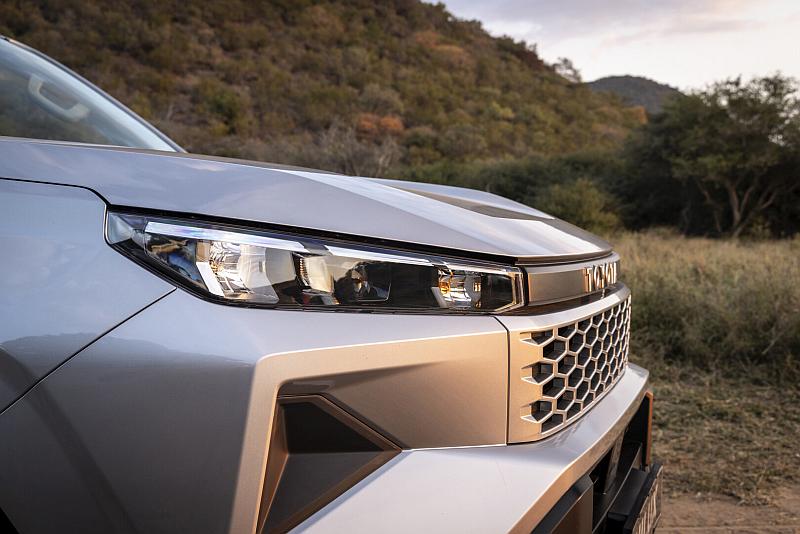
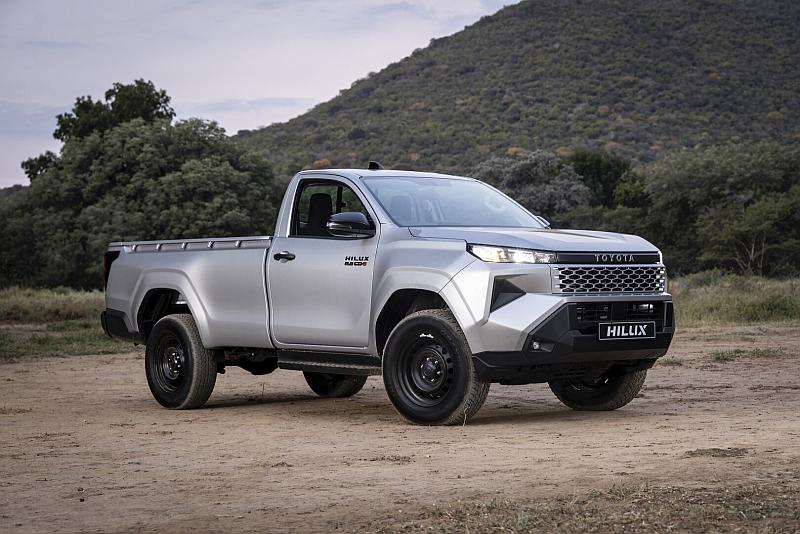
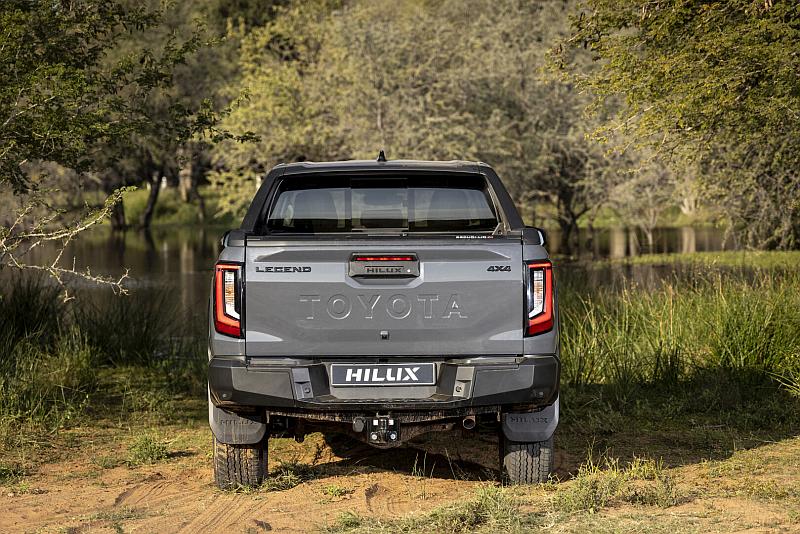
Externally, the Hilux has undergone a radical styling update. The prominent new daytime running lights, integrated rear steps (matching industry trends for easier load bay access), and a bold new grille give it a striking road presence. While the sharper lines might take purists a moment to digest—especially in the head-turning new “Desert Gold Metallic” paintwork—it looks highly purposeful. The payload capacity remains impressive, ranging from 715 kg to 1,040 kg depending on the model, with a rubberised load bay and four tie-down hooks equipped as standard.
Verdict
The mechanical peace of mind remains completely intact, backed by an exceptional 9-year / 90,000 km service plan and a 3-year / 100,000 km warranty. The Legend’s 48V battery receives its own dedicated 8-year / 160,000 km warranty.
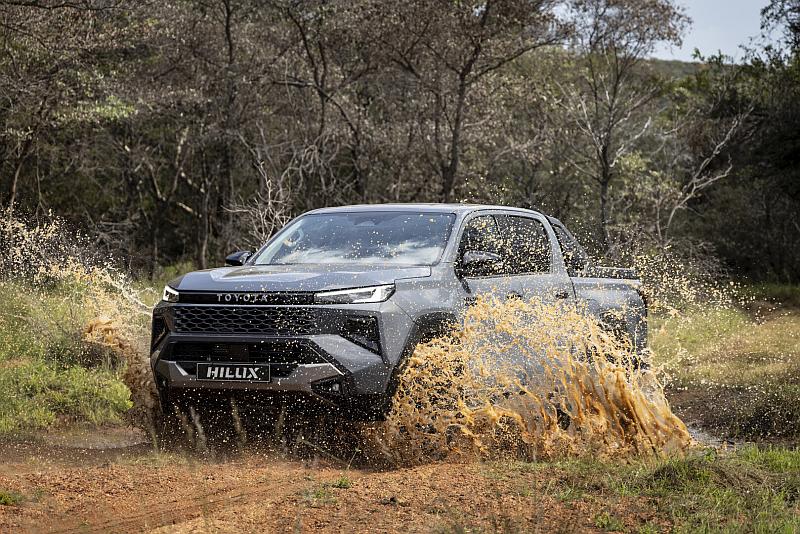
With the 9th-generation Hilux, Toyota has successfully walked a very fine tightrope. By retaining the robust ladder-frame chassis and offering dependable hydraulic steering on the SRX and Raider models, they have preserved the legendary pedigree required for Namibia’s harshest environments. Simultaneously, the heavily digitized, MHEV-equipped Legend model proves that Toyota can build a highly sophisticated, comfortable bakkie that rivals the best in the leisure segment.