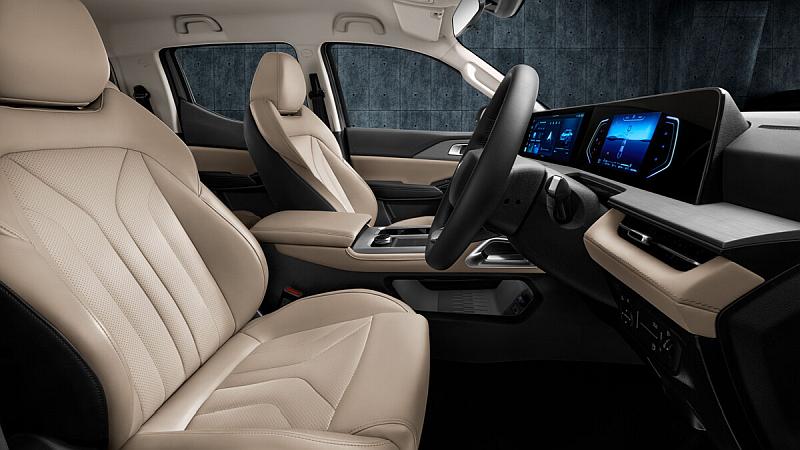
What is a Range Extended Electric Vehicle? Understanding the technology behind the Changan Hunter REEV
For decades, South African motorists have had a fairly simple choice when buying a vehicle: petrol or diesel. Those two powertrains have dominated the market for generations, especially in the bakkie segment where diesel engines have become the go-to option thanks to their torque and efficiency.
But things are beginning to change.
As the global automotive industry moves toward electrification, new technologies are steadily making their way onto our roads. Today, buyers are no longer limited to traditional internal combustion engines. Instead, they are increasingly hearing terms like hybrid (HEV), plug-in hybrid (PHEV), battery electric vehicle (EV) and now something slightly different: the Range Extended Electric Vehicle (REEV).
The Changan Hunter REEV is one of the first vehicles in South Africa to introduce this technology in the bakkie segment, and it offers an interesting solution to one of the biggest concerns local buyers have about electrification.

The rise of hybrids and electrified vehicles
Before diving into REEV technology, it helps to understand the different types of electrified vehicles currently entering the market.
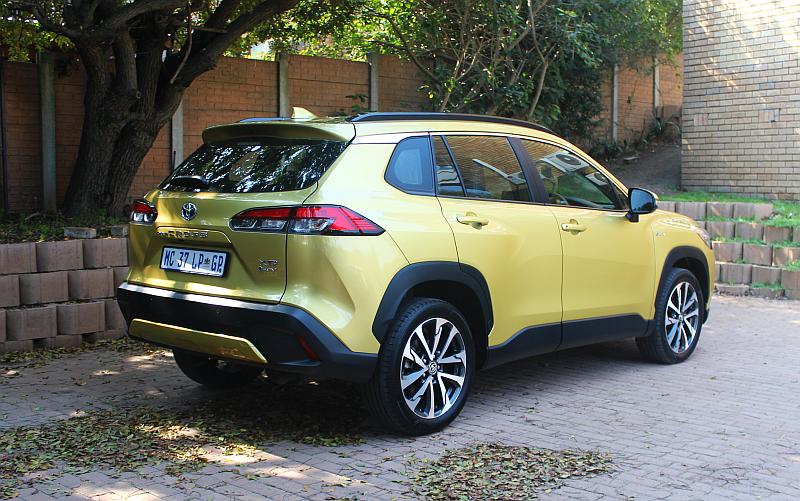
Hybrid Electric Vehicles (HEVs)
Hybrid vehicles combine a petrol engine with an electric motor and a relatively small battery. The system automatically switches between the engine and electric motor — or uses both together — to improve fuel efficiency.
These vehicles do not need to be plugged in, as the battery is charged through regenerative braking and the petrol engine itself.
They work well in urban environments, where stop-start traffic allows the electric motor to operate frequently, reducing fuel consumption and emissions.
Plug-in Hybrid Electric Vehicles (PHEVs)
Plug-in hybrids go a step further.
They also combine a petrol engine and an electric motor, but they include a much larger battery that can be charged from an external power source. This allows the vehicle to drive purely on electric power for a certain distance, usually between 40km and 100km depending on the model.
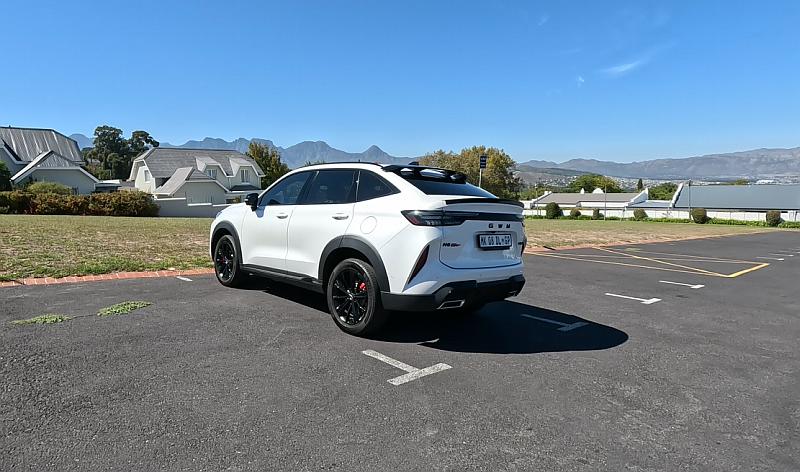
For city driving, this can be extremely efficient. Many drivers can complete their daily commute using electricity alone, with the petrol engine only kicking in for longer trips.
In urban centres around the world, PHEVs are becoming increasingly popular because they reduce fuel consumption, lower emissions and operate much more quietly than traditional vehicles.
The South African challenge: range anxiety
While these technologies work extremely well in many markets, South Africa presents a slightly different set of challenges.
One of the biggest concerns around electric vehicles is something commonly referred to as range anxiety — the fear that a vehicle will run out of battery power before reaching a charging station.
In countries with dense charging networks, this concern is steadily disappearing. But locally, the situation is still developing.
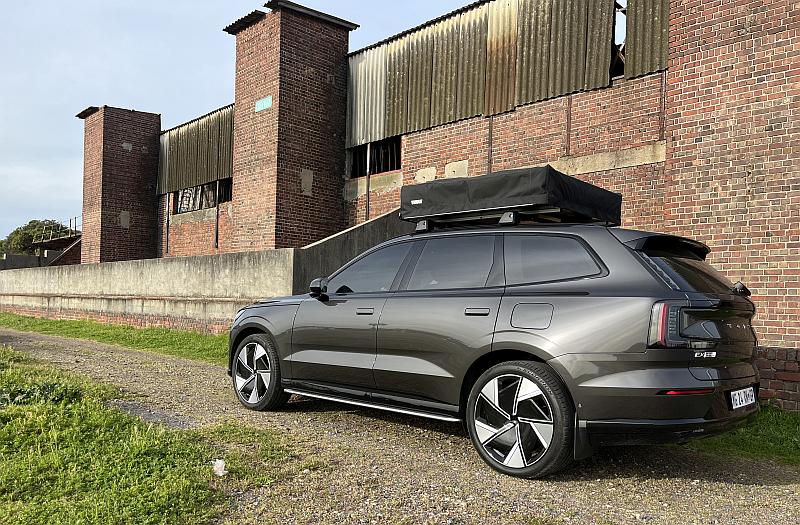
South Africa is a large country with long distances between towns, and public charging infrastructure is still expanding. Outside of major metropolitan areas, charging stations can be relatively far apart.
For buyers who frequently travel between cities, venture into rural areas or simply rely on their vehicle for work, the idea of being fully dependent on charging stations can still feel risky.
And that’s exactly where Range Extended Electric Vehicle technology begins to make sense.
What exactly is a Range Extended Electric Vehicle (REEV)?
A Range Extended Electric Vehicle, or REEV, operates quite differently from both traditional hybrids and fully electric vehicles.
In a REEV, the electric motor is always responsible for driving the wheels. This means the vehicle behaves very much like an electric car in terms of smoothness, instant torque and quiet operation.
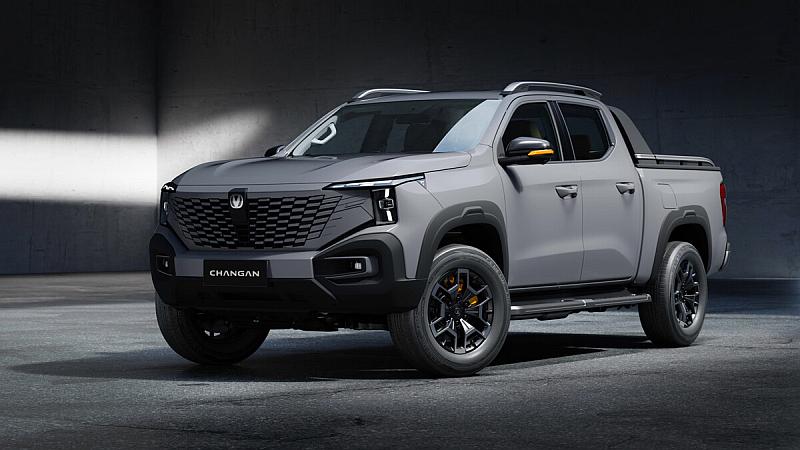
However, instead of relying solely on a battery, the vehicle also includes a petrol engine that acts as a generator.
This engine does not directly drive the wheels. Instead, it simply produces electricity when needed, which is then used to power the electric motor or recharge the battery.
The result is a vehicle that delivers the driving experience of an electric vehicle, but without the risk of running out of power.
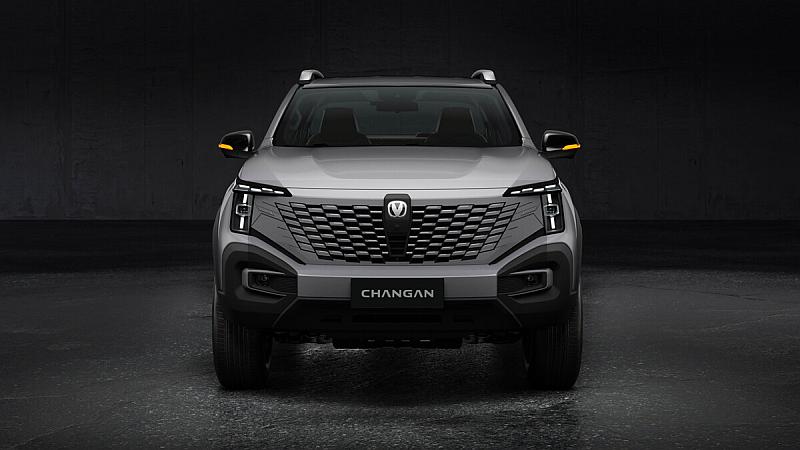
How the Changan Hunter REEV uses this technology
The Changan Hunter REEV is a great example of how this technology can be applied in the real world, particularly in the bakkie segment.
In the Hunter REEV, electric motors power the wheels, delivering instant torque and smooth acceleration. The vehicle also carries a large battery pack, allowing it to travel a significant distance using electric power alone.
When the battery begins to run low, a petrol engine automatically starts generating electricity. This keeps the electric motors running and extends the vehicle’s overall driving range.
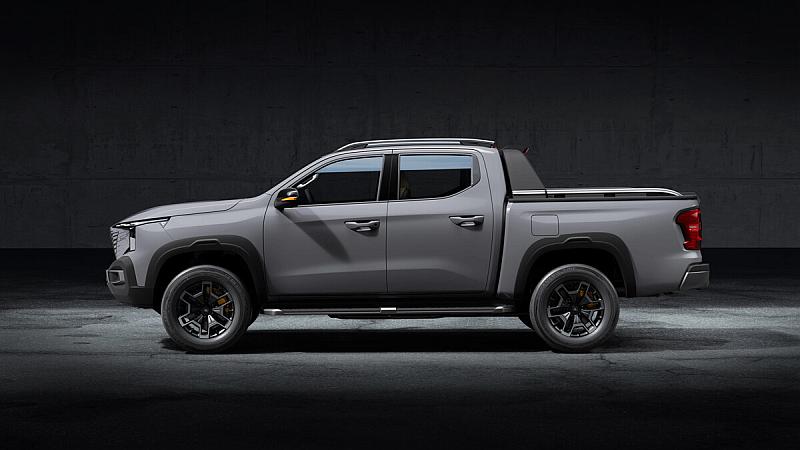
In other words, the Hunter REEV behaves like an electric vehicle most of the time, but it always has a built-in safety net in the form of its generator engine.
For drivers, that means no dependence on charging stations during long trips.
Why REEV technology makes sense for South Africa
For a country like South Africa, the benefits of REEV technology are quite significant.
First, it allows drivers to experience many of the advantages of electric vehicles, including:
- Quiet operation
- Smooth acceleration
- Reduced fuel consumption
- Lower emissions in urban areas
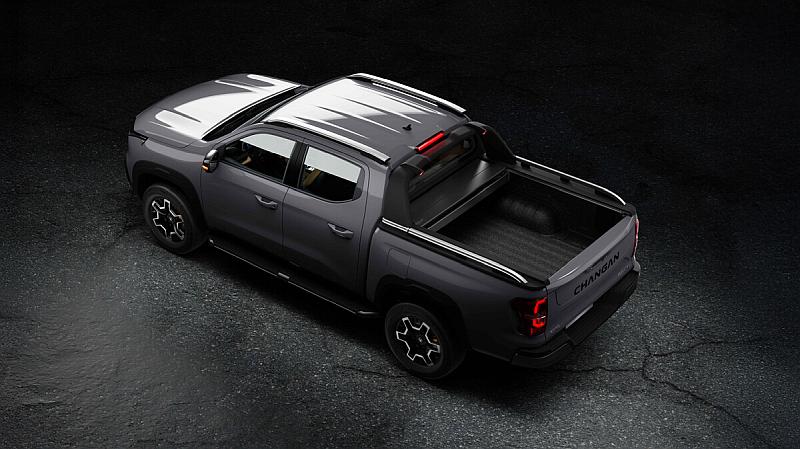
At the same time, it avoids one of the biggest obstacles facing EV adoption locally: range anxiety.
Because the petrol engine acts as a generator, the vehicle can continue travelling even if charging stations are unavailable. This makes it far more practical for long-distance travel, rural environments and work applications.
For a bakkie buyer, this is particularly important. Many double-cab owners rely on their vehicles for towing, off-road driving and travelling between towns — scenarios where charging infrastructure may be limited.
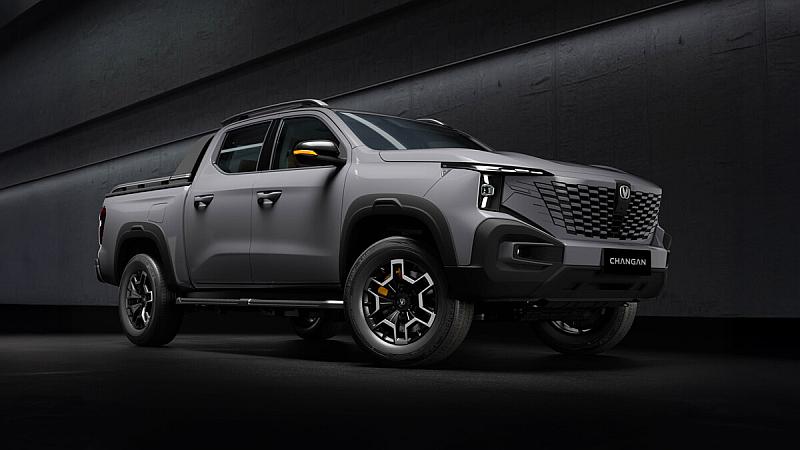
A potential bridge between petrol, diesel and full electric
The Changan Hunter REEV highlights an interesting direction for the future of the bakkie market.
Instead of forcing buyers to choose between a traditional diesel vehicle and a fully electric one, REEV technology offers a middle ground. It combines the efficiency and smoothness of electric driving with the reassurance of a fuel-powered generator.
For markets like South Africa — where electrification is growing but infrastructure is still catching up — this could prove to be a very practical stepping stone toward a more electric future.
And if the Hunter REEV is anything to go by, the idea of an electric bakkie without range anxiety might not be as far-fetched as it once seemed.